
Home /
Home /
The East Region of the Dominican Republic continues to consolidate its position as one of the country’s strongest engines of growth. Tourism, infrastructure, and sustained private investment have shaped a territory that is now firmly on the global real estate map.
What became clear at the 2026 Construction & Real Estate Summit by Revista Mercado is that the region is entering a more mature phase. The conversation is no longer only about expansion. It is about refinement.
Claire Godart, Managing Partner of MASSIVart LATAM, was invited to contribute to this dialogue from the perspective of cultural strategy and placemaking. Her focus is pragmatic. In a competitive market with increasing product similarity and economic uncertainty, differentiation cannot rely on scale alone: it requires identity.
The East Region is often described through the lens of tourism. That narrative is only part of the picture.
Many of the large-scale projects shaping the territory today operate on a hybrid model. Roughly half of their structure combines hospitality components with residential programs. A significant portion of those residences are second homes. Buyers are not simply passing through. They are investing in lifestyle, returning seasonally, and forming a relationship with the territory over time.
At the same time, Punta Cana and the broader East Region have experienced sustained demographic growth. Beyond visitors and second-home owners, the area now includes a growing year-round population composed of professionals, families, and workers linked to the tourism and services industries. Development at this scale and speed requires more than vertical growth. It calls for coordinated urban planning, thoughtful public realm strategies, and placemaking approaches that support permanent residents as much as seasonal users.
This mix changes the development framework.
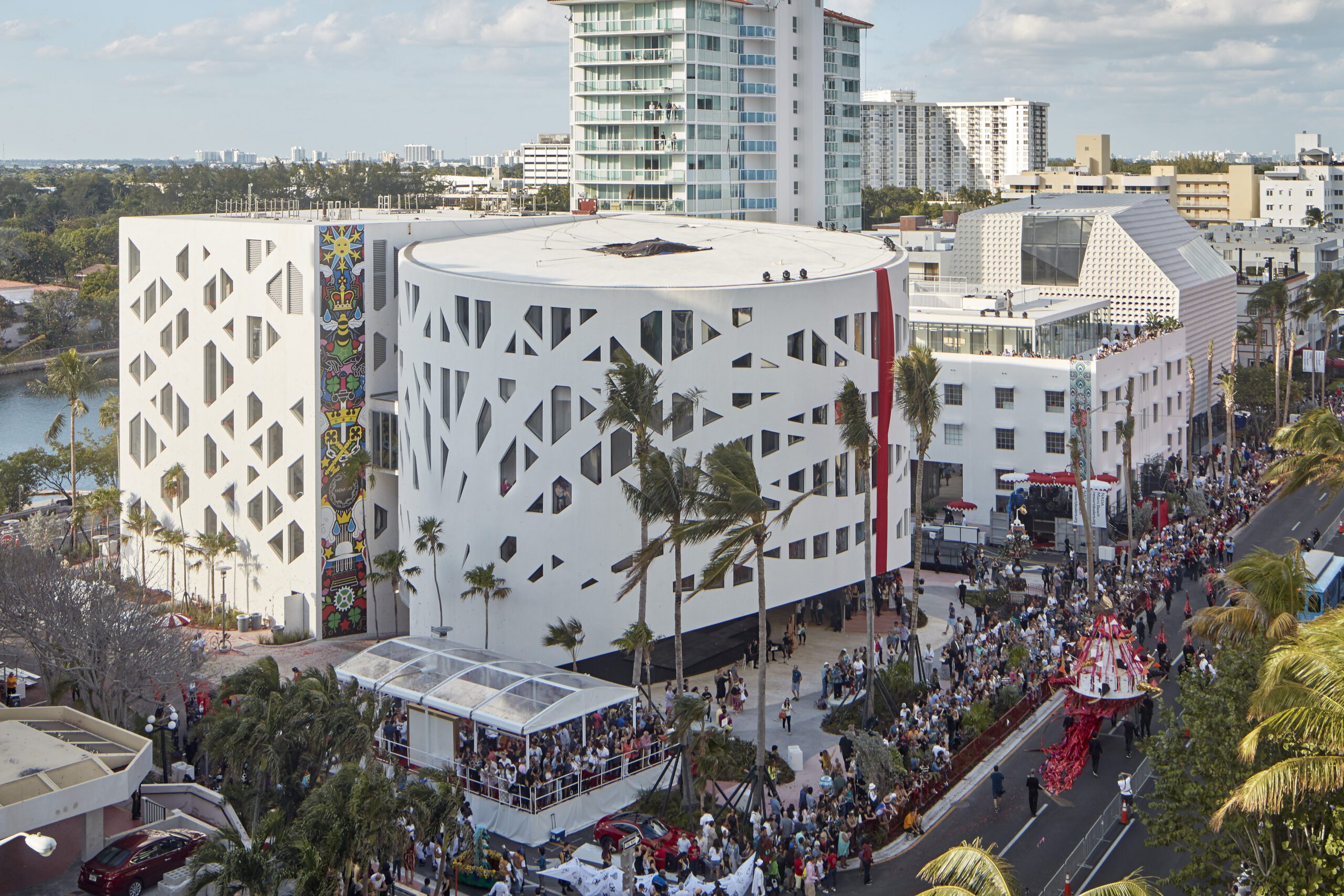
Faena District in Miami Beach demonstrates how embedding arts and cultural infrastructure at the core of a masterplan can reposition an entire neighbourhood.
Designing for a short-term guest is different from designing for a resident who builds routines, develops social connections, and expects long-term value. In hybrid destinations, both realities coexist. In practice, developers are designing simultaneously for three audiences: the short-stay guest, the seasonal second-home owner, and the year-round resident.
Hospitality must perform. Residential must retain desirability. Public spaces must support daily life as much as curated experiences.
In that context, identity becomes a structural layer, not a branding exercise.
Claire often describes placemaking as a discipline that begins with people and use rather than architectural objects. It integrates programming, narrative, operations, and economic logic. In the East Region, this approach speaks directly to the hybrid nature of development. A destination that supports both residents and guests needs coherence across all layers.
That coherence strengthens asset value by supporting residential absorption, repeat visitation, and long-term brand differentiation.
In many developments, art is introduced late in the process. It becomes an aesthetic addition rather than a strategic driver.
When culture is integrated from the early stages of positioning and master planning, its role shifts. It can structure circulation, create memorable anchors, activate underused areas, and build a recognizable identity for both residents and visitors.
In a residential and hospitality mix, this is particularly relevant. Second-home owners seek belonging and authenticity. Guests seek experience and differentiation. Both respond to environments that feel intentional and grounded in their context.
Culture, when embedded properly, supports dwell time, strengthens emotional connection, and reinforces long-term resilience. It also aligns with a growing demand for genuine sustainability and local integration rather than surface-level narratives.
One of the projects that reflects this new mindset is MARALDA in Miches.
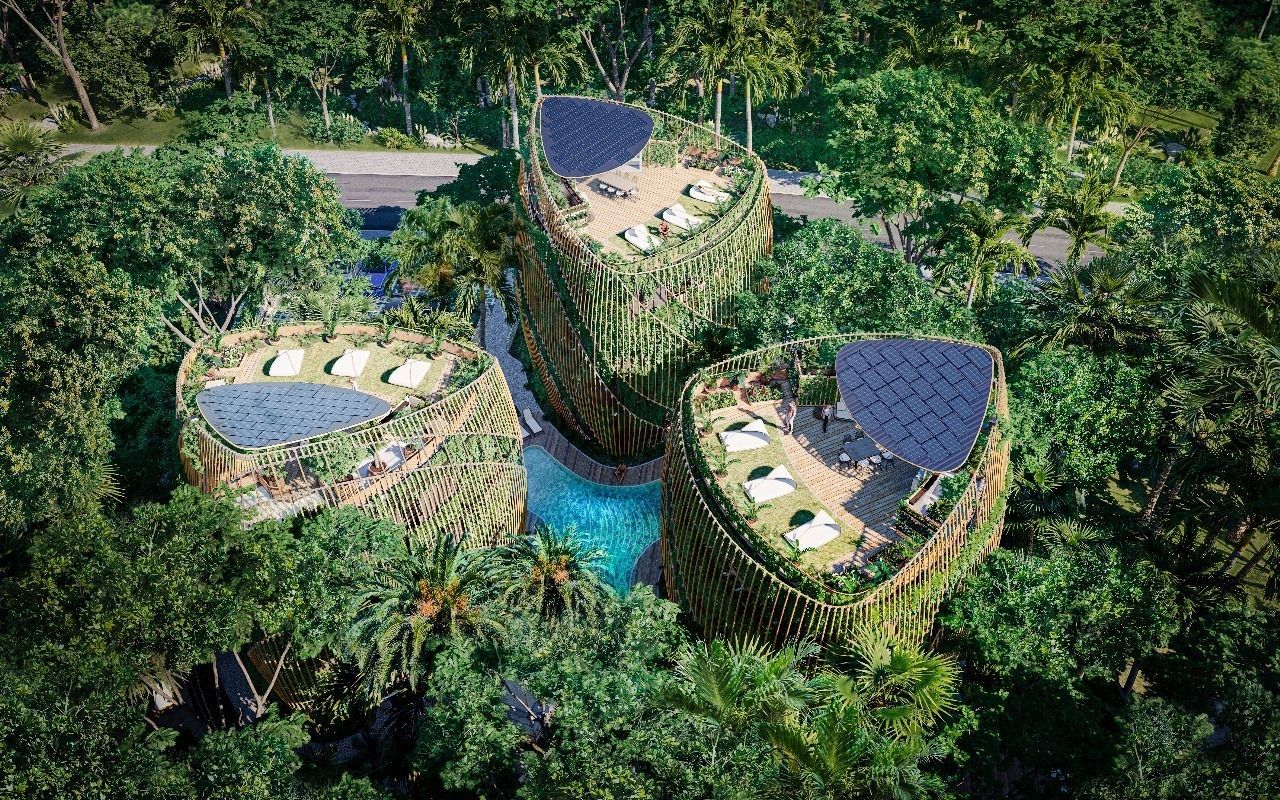
Spanning more than eight million square meters in Playa Esmeralda, MARALDA is conceived as a regenerative destination that combines residential, commercial, and recreational uses. It is structured with transparency and includes commitments to community impact through education and training initiatives.
The ambition aligns with national growth objectives, yet the emphasis is on quality and integration rather than scale alone.
MASSIVart is developing the Public Realm and Creative Placemaking Master Plan in collaboration with 4S and Sordo Madaleno. The partnership brings together complementary expertise: 4S contributes territorial and development strategy, Sordo Madaleno leads the architectural master vision, and MASSIVart shapes the cultural and placemaking framework that anchors identity across the site.
The process unfolds in three phases. First, defining the public realm vision and placemaking strategy. Second, establishing procurement and curatorial frameworks. Third, guiding implementation to maintain coherence between concept and execution.
The work includes defining the hierarchy of public spaces across the site, identifying cultural anchors and gathering points, and structuring an activation framework that can evolve as the destination grows.
The intention is not to layer culture onto a finished product. It is to ensure that identity informs the structure of the destination from the beginning.
During her visit to the region, Claire also spent time in Cap Cana, often described as a ciudad destino. The ecosystem is extensive and highly coordinated. Marina, golf, equestrian facilities, retail, beaches, gastronomy, and residential communities operate within a cohesive framework.
Alongside Cap Cana, Grupo Puntacana represents another major force shaping the region’s development. Beyond hospitality and golf, the group has invested in public-facing initiatives such as the annual Carnival and cultural events hosted in the open commercial plaza at Puntacana Village. These activation strategies introduce a more public and community-oriented layer within a territory often defined by gated concepts, reinforcing the role of cultural programming in shaping year-round identity.
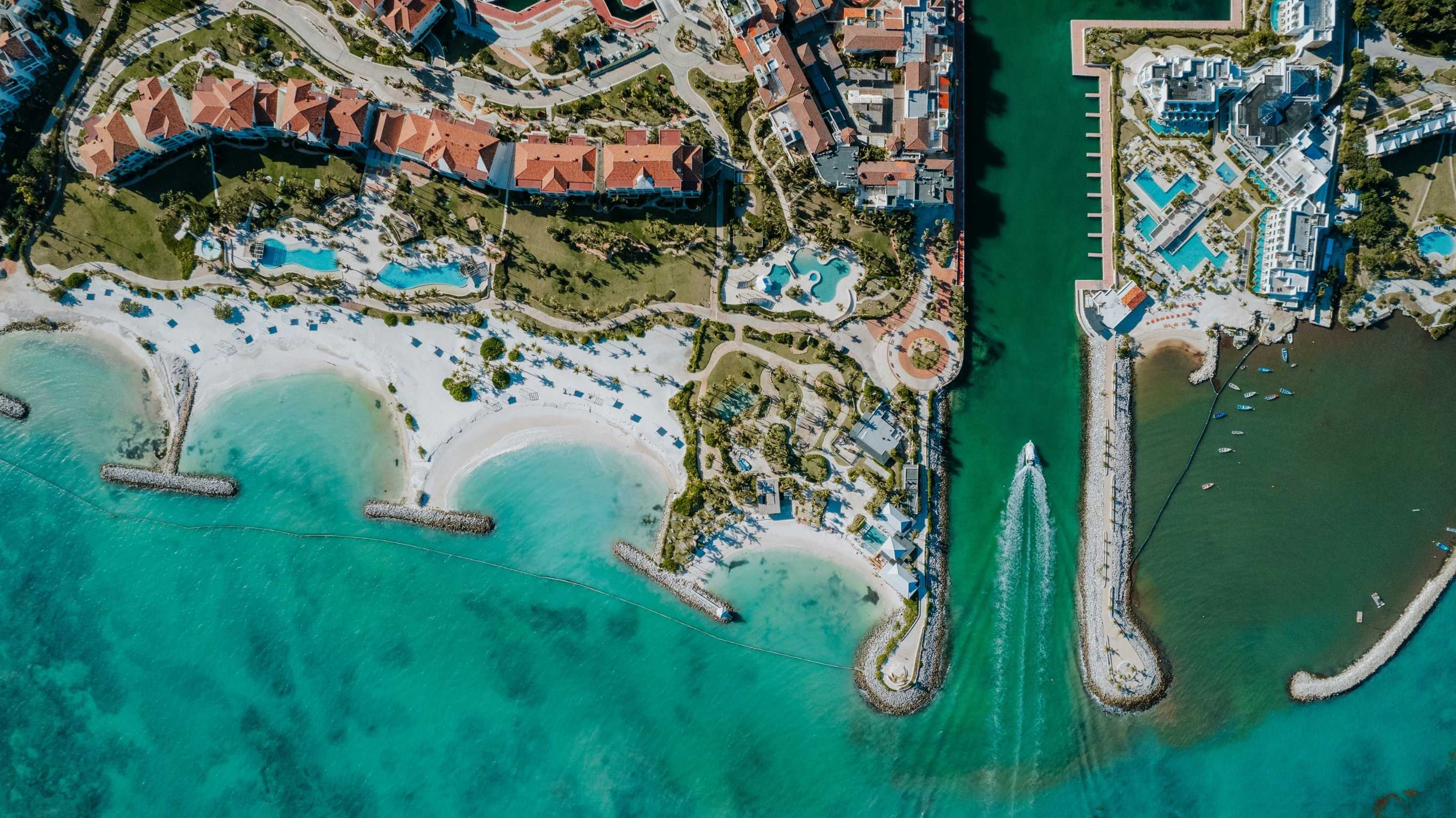
Cap Cana demonstrates how sustained investment and long-term planning can shape a destination that functions beyond a resort model. As the region evolves, the next layer of differentiation will likely depend on how cultural depth and public realm activation continue to develop within such environments.
The conversation in the East Region is gradually expanding beyond infrastructure. It increasingly includes how daily life is experienced, how public space performs, and how identity is reinforced across residential and hospitality components.
The discussions at the summit resonate beyond the Dominican Republic.
In Panama City, MASSIVart is collaborating with Locations Corp on the early foundations of a mixed-use district imagined around nature, wellbeing, and contemporary living. Workshops held on site focused on aligning priorities and defining the cultural lens that will shape the district from its earliest stages.
The work progresses in parallel. One track defines the public space vision. The other maps placemaking opportunities across the site. Both are developed in close coordination with stakeholders to ensure consistency over time.
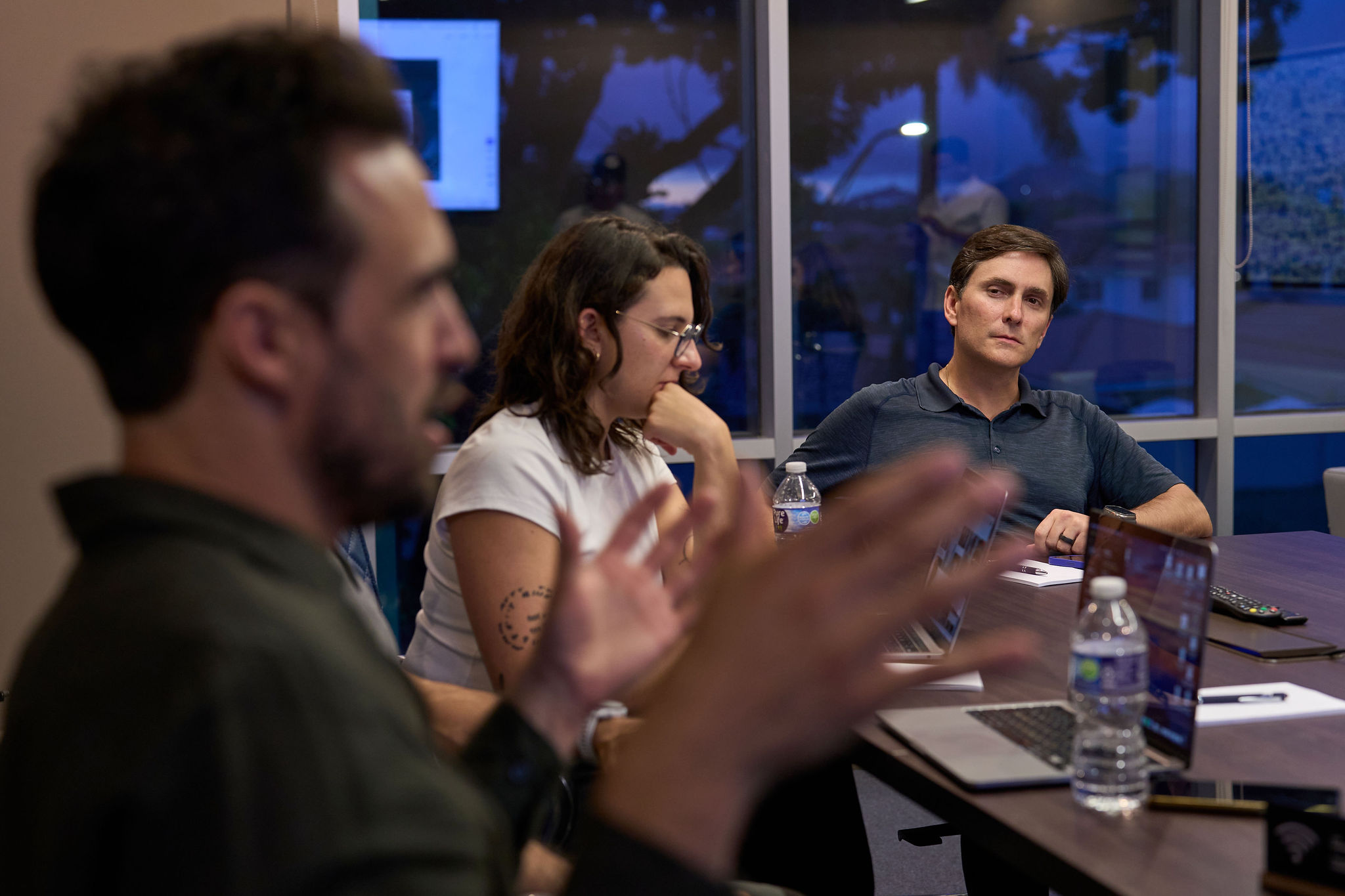
Collaborative workshop in Panama City with Locations Corp, mapping early placemaking opportunities and structuring the identity of a new mixed-use neighbourhood.
Across Central America and the Caribbean, there is a growing recognition that mixed-use and tourism-led territories must diversify their value base. Projects are increasingly designed to support residential stability alongside hospitality performance.
MASSIVart has also been in dialogue with 4S, whose strategic territorial expertise complements our placemaking work. These exchanges reflect a shared awareness across the region. Developers and public stakeholders are paying closer attention to how identity, urban quality, and economic performance intersect.
During the summit, the importance of collaboration between private developers and public authorities came up repeatedly.
The private sector drives investment and execution. Public institutions shape the frameworks that influence identity, inclusion, and urban quality. In a region growing as fast as the East, that alignment becomes essential.
For Claire, placemaking should not sit on the sidelines as an isolated initiative. It needs to be understood as part of development logic itself.
When identity and experience are treated as value drivers, the outcome is more resilient, more differentiated, and better prepared for long-term evolution.
We work with developers and partners to integrate cultural strategy and placemaking early in the development process.
Contact our team if you would like to explore how this approach could support your project.