
Home /
Home /
Too many developments check all the right boxes: prime location, refined design, curated amenities, yet still fall short of building true connection. What makes a place resonate isn’t just what it offers, but how it engages. When a project becomes meaningful, memorable, and shareable, it becomes a destination.
That transformation doesn’t happen by chance. By weaving art, cultural programming, design, and community into the development process, creative placemaking helps shape places with depth, identity, and long-term value.
In recent years, “lifestyle destination” has become a popular term across real estate, from mixed-use hubs and cultural districts to tourism-oriented developments and next-gen retail. But too often, these projects follow a formula: curated food halls, bold wayfinding, and the occasional mural.
The result? Spaces that feel polished but forgettable. Visually refined, but lacking depth.
What’s missing is a cultural backbone and a clear vision grounded in place, community, and long-term relevance. Without it, even the most ambitious development risks blending in.
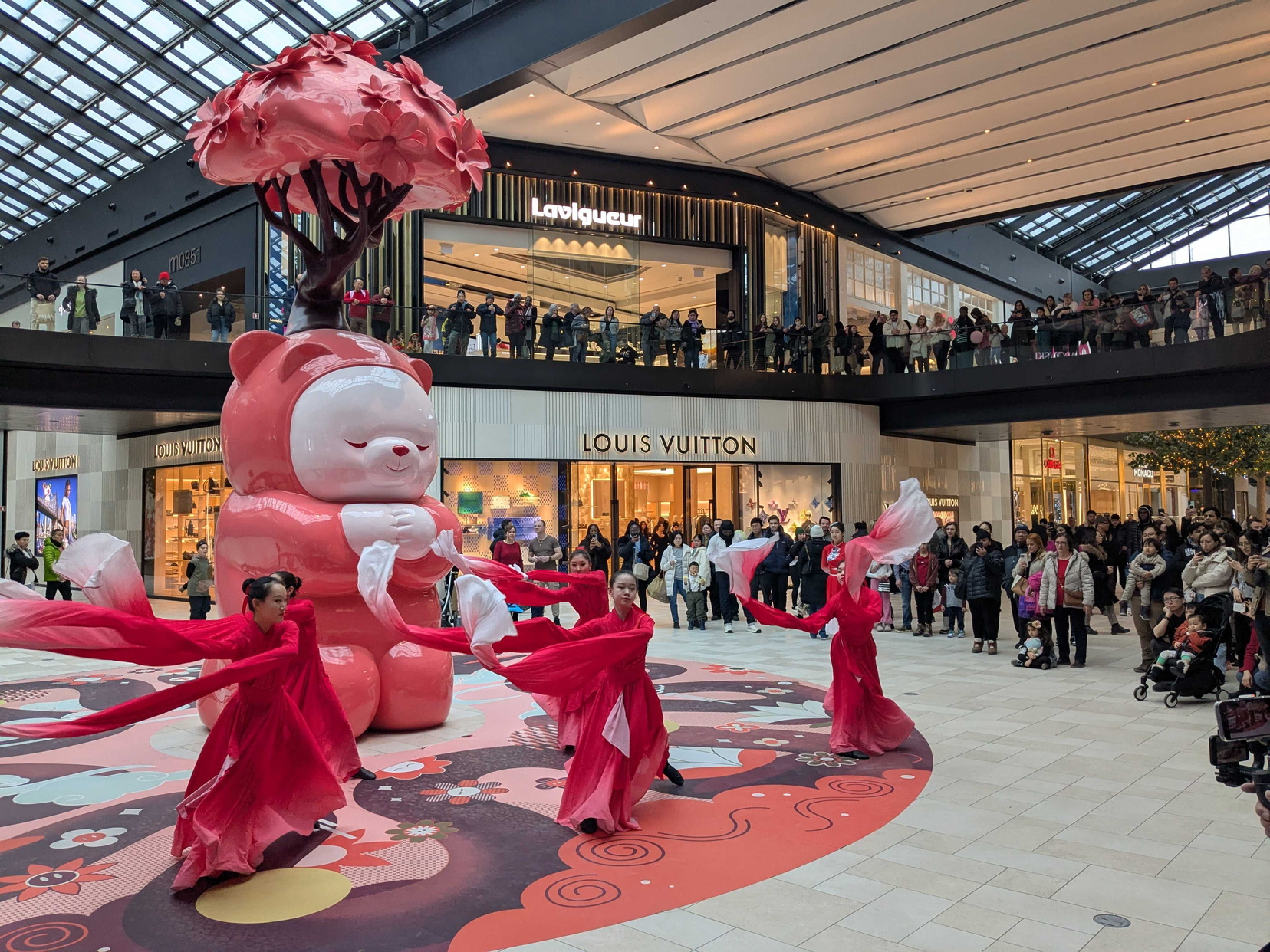
A lifestyle destination isn’t defined only by what it offers, but by how it makes people feel. That emotional connection doesn’t happen by accident; it’s designed early, with intention and clarity.
The most effective destinations:
We’ve seen this firsthand at MASSIVart, through projects across Canada, Mexico, and the U.S. Without a cultural strategy, even strong openings can fade quickly. With one, a development becomes a lasting anchor for identity and belonging.
Culture is part of the foundation. Yet public art and cultural programming are still too often introduced late in the process, seen as aesthetic add-ons.
A cultural strategy, when embedded from the start, becomes a source of differentiation and long-term value. It might include:
This is what creative placemaking enables: a holistic approach that integrates art, culture, design, and community into the very DNA of a development. It’s not a one-time intervention; it’s a framework for shaping places that matter to residents, visitors, and the city around them.

Urban Land Institute
Research increasingly confirms what creative placemaking professionals have long observed: culture improves performance.
At the 2025 ULI workshop Making the Business Case for Art in Place, we shared findings from a Toronto Metropolitan University study showing that creative placemaking can:
ROYALMOUNT
The ROYALMOUNT project illustrates this clearly. There, a cultural strategy did more than activate the space; it drove retail demand and lease performance, turning a development into a high-performing lifestyle destination.
Working alongside Carbonleo and L Catterton, we made public art a structural component of the strategy. Art became a defining anchor for the district’s identity as a cultural and lifestyle hub in Montréal. This vision attracted high-profile tenants and continues to sustain momentum well beyond launch.
Miami Design District
The Miami Design District offers another compelling benchmark. What began as a cluster of neglected warehouses evolved into a global luxury and lifestyle destination through creative placemaking at its core.
Led by Craig Robins in partnership with L Catterton, the district wove art, design, and culture into every layer of its strategy. The results speak for themselves:
Wayfinding was conceived as an immersive design experience. The public realm is activated year-round through curated cultural programming. Every element is orchestrated to elevate engagement and reinforce the district’s character.
➡︎ Connect with MASSIVart to explore how creative placemaking can elevate your project’s impact and value.