
Home /
Home /
This article is a guest contribution from MASSIVart, originally published on CODAworx.
Opening day hands the artwork over to the place. From there, its life depends on care, on people coming back, and on a community deciding the work belongs to them. Most of that can be planned before the ribbon is cut. The rest calls for a team that keeps watching and is willing to adjust.
The ribbon is cut, the photos are out, the press release has done its rounds. Most of the project team is already moving on to the next thing, which is fair enough. The artwork, meanwhile, is on day one.
In an earlier article, “What It Really Takes to Deliver Large-Scale Public Art in Real Estate,” we looked at everything leading up to that day: cultural strategy, artist selection, technical coordination, fabrication, and installation.
This one picks up after handover, once the work has to live with weather, operations, changing tenants, public habits, and time. Part of that can be planned for. The rest shows up when people start using the place, usually in ways the drawings didn’t account for.
Adoption can happen on its own. It happens faster with a little help.
A short piece of interpretation gives people a way into the work. An artist talk, a school visit, a seasonal event, or a light sequence at dusk gives them a second encounter a few weeks later, then a third. Seating, shade, sightlines, and easy circulation decide whether anyone stays long enough to notice. One good reason to return is usually plenty.
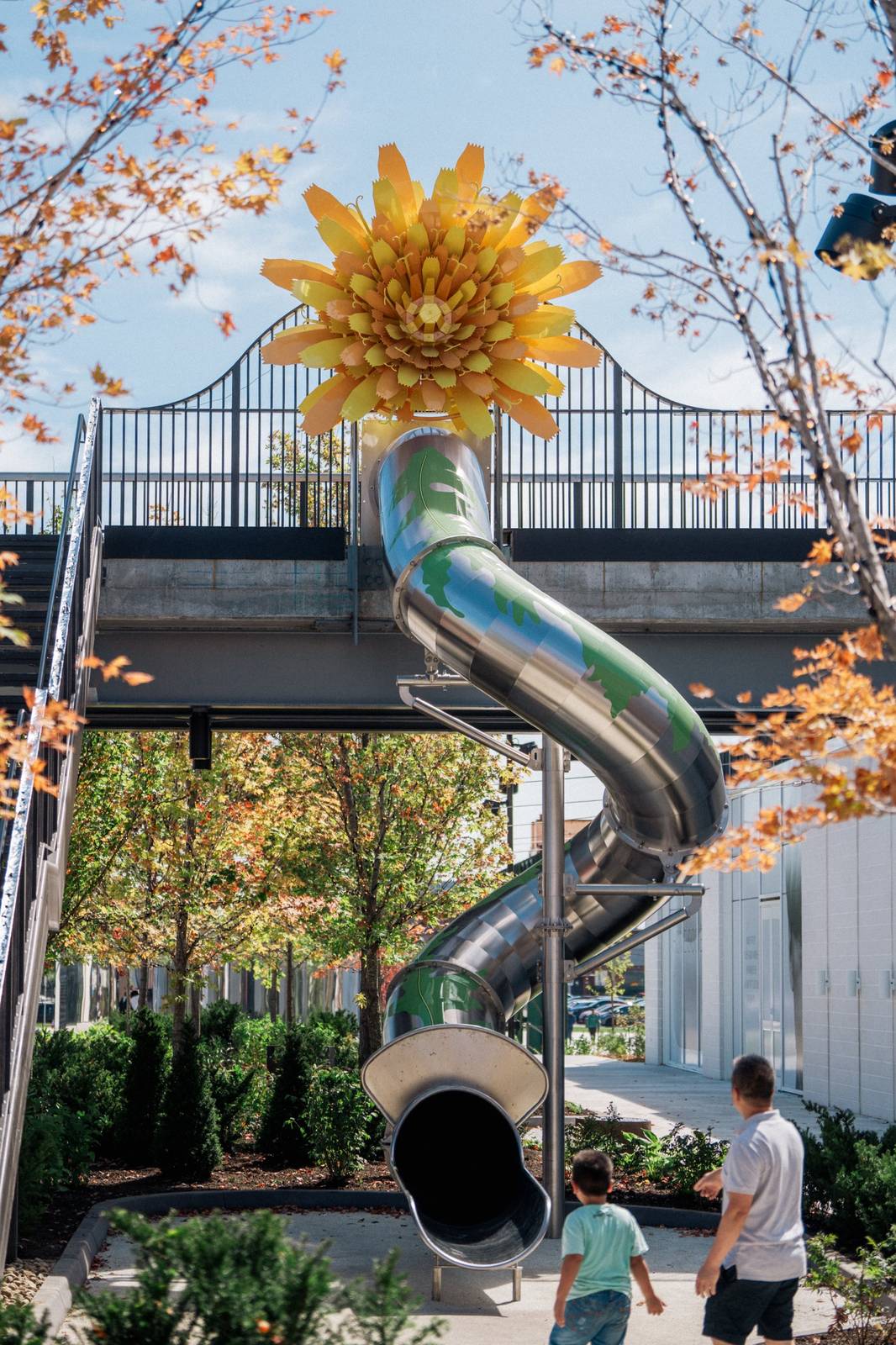
Community involvement works the same way, and it can start well before opening. A local selection committee, a workshop, a naming process, or an evening with the artist gives people a small share of authorship. People look after what they helped name. They explain the piece to visiting friends, stick up for it when someone grumbles, and are usually the first to call when something looks wrong. No maintenance contract buys that kind of attention.
Owners and commissioners can encourage all of this without programming the artwork to death. Open a few doors, then step back and let people bring their own habits.
A work gets easier to remember when something happens around it more than once. A daily light sequence, an annual performance, a school visit every spring, or simply the habit of meeting by the same piece before dinner. The event can be tiny. Repetition does the work.
Design can make room for this: open ground where a crowd can gather, power close enough to plug in a performance, lighting that makes people want to stay.
The Eye of Mexico, in the central plaza of Neuchâtel Cuadrante Polanco in Mexico City, was conceived for repeated encounters. Ouchhh’s 10-metre digital sculpture reads demographic, urban, and mobility data from Mexico and turns it into moving imagery, and a recurring sound experience gives residents and visitors a set time to gather around it.
Then the public added a ritual nobody had scheduled. Couples started proposing in front of it, and engagement shoots and wedding photos followed. No brief asked for a proposal spot, and no marketing plan could have produced one. It may be the surest sign an artwork has been adopted: people trust it with the biggest moments of their lives.
The rituals people invent usually outlast the ones anyone programs. The job is to notice them early and make room for them: keep the sightline clear, the light kind to photographs, and the plaza open on a Saturday afternoon.
Maintenance is one of the first questions clients ask about permanent public art, and they are right to ask. Looking after an artwork takes time and money. Looking after one that nobody planned for takes a lot more of both.
Most of that friction can be dealt with early. Choose materials that can take public contact and weather, design components that can be swapped out, and build access for cleaning and inspection into the site itself. A modest care allowance, set aside at commissioning, covers routine inspections and the occasional specialist visit, so each repair doesn’t turn into a fresh budget conversation.
By handover, the people running the property need a care manual they will actually use. Two or three pages is enough: approved cleaning methods, inspection frequency, key contacts, warranties, the artist’s intent, and any limits on alteration or relocation. Digital and light-based works add software access, hardware specs, and a plan for the parts that will age out. The screens and media systems behind The Eye of Mexico need as much attention as its structure.
Keep the artist’s number handy, too. Artists are usually the best judges of whether a repair respects the work, and most would rather get the call than hear about the repair afterward. Under laws like the Visual Artists Rights Act in the US, they may also have a legal say.
In 2015, cleaners at Museion in Bolzano threw out an installation of empty bottles and confetti by Goldschmied & Chiari, mistaking it for the remains of a party. Everyone laughs at that story. It is really about a briefing that never reached the cleaning crew. Moral: brief whoever holds the broom.
Day to day, stewardship can sit with the teams already running the property, as long as one person holds the thread and everyone knows who.
Even a good plan misses things. At the Quartier Dix30, visitors started picking up loose stones around Myriam Simard Parent’s Soft Foundation and using them to scratch its painted surface. On the drawings, a bit of gravel had looked harmless. The fix was simple: the stones came out, and the paint was switched to a tougher finish. Nobody could have predicted it. Somebody still had to notice.
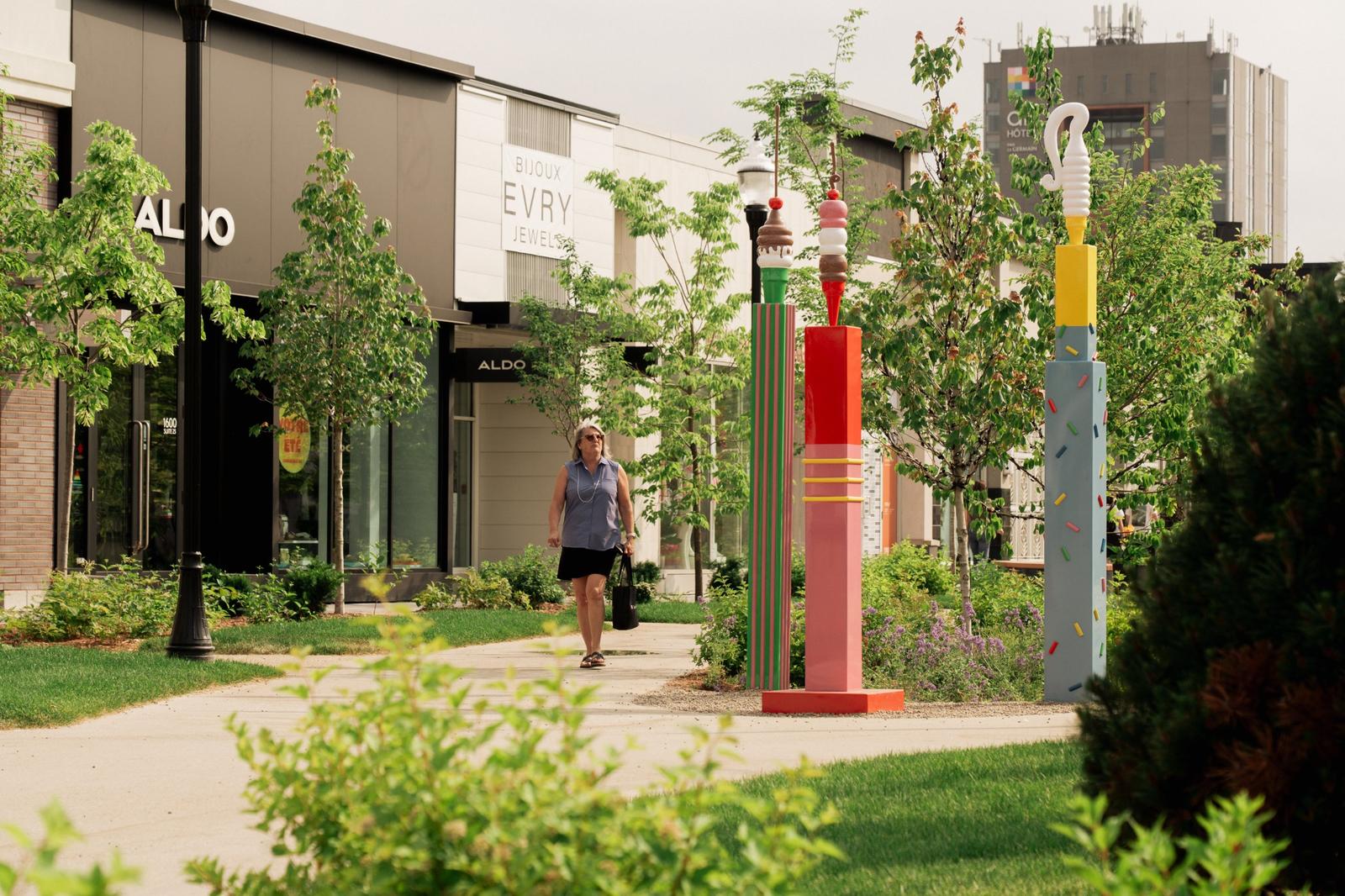
Opening-day attention is a snapshot. How people behave over the following months says far more, and it doesn’t take an elaborate evaluation program to read it. Dwell time, repeat visits, interaction, community feedback, and the photos people post on their own will show whether a relationship is forming. Foot traffic matters. So does the first complaint when a food truck or a stack of patio furniture ends up hiding the piece. Nobody complains about losing something they don’t care about.
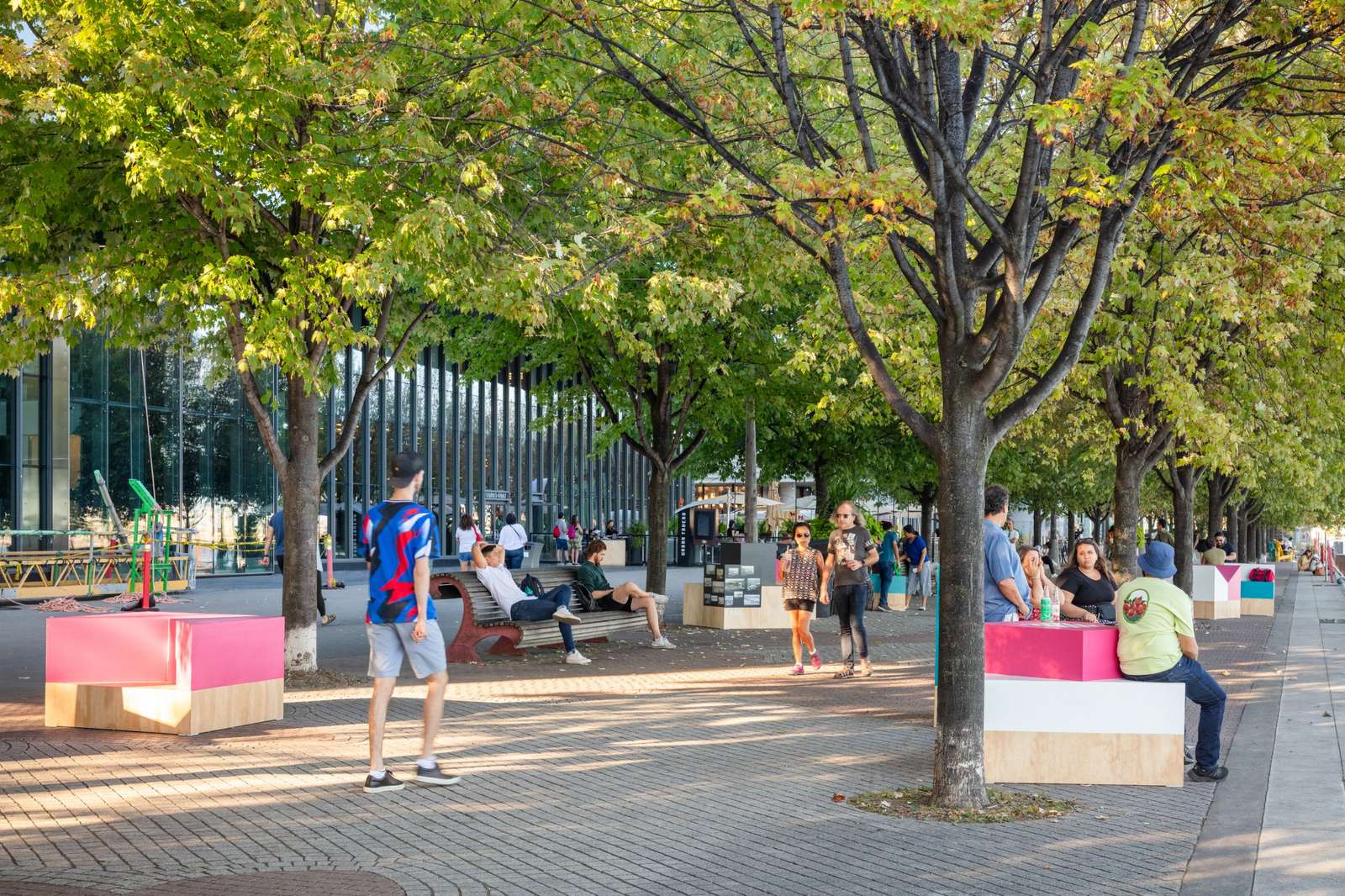
Sometimes the smartest way to learn is to test before committing. Alpha Bravo Charlie, on Toronto’s waterfront, was plywood and paint, on purpose. Developed in 2022 with the Waterfront BIA and artists CK-JJ, the colourful installation drew on the nautical alphabet and served as a pilot: a quick, light way to see how colour, seating, and play would change the way people used the space before anyone invested in something permanent.
During the activation, 19% of passers-by interacted with it and foot traffic rose by 22%. The Waterfront BIA brought it back the following year, this time at HTO Park.
A pilot gives an owner permission to learn where people linger, what they walk straight past, and which elements pull in teenagers or grandparents. All of it can shape the permanent commission that follows.
Most of what decides an artwork’s life after opening day can be settled before it: care that is easy to follow and already funded, one person holding the thread, a reason to come back, and a community that had a hand in the story.
The rest arrives on its own schedule. Gravel becomes a tool. A plywood pilot earns a second summer. A couple kneels in front of a sculpture nobody designed as a proposal spot. The teams that get the most out of public art plan enough to be ready for those surprises, and stay curious enough to act on them.
The ribbon gets cut once. A well-planned artwork keeps giving for decades, mostly to people who will never know there was a plan.